
Research, Publications & Funded Programs
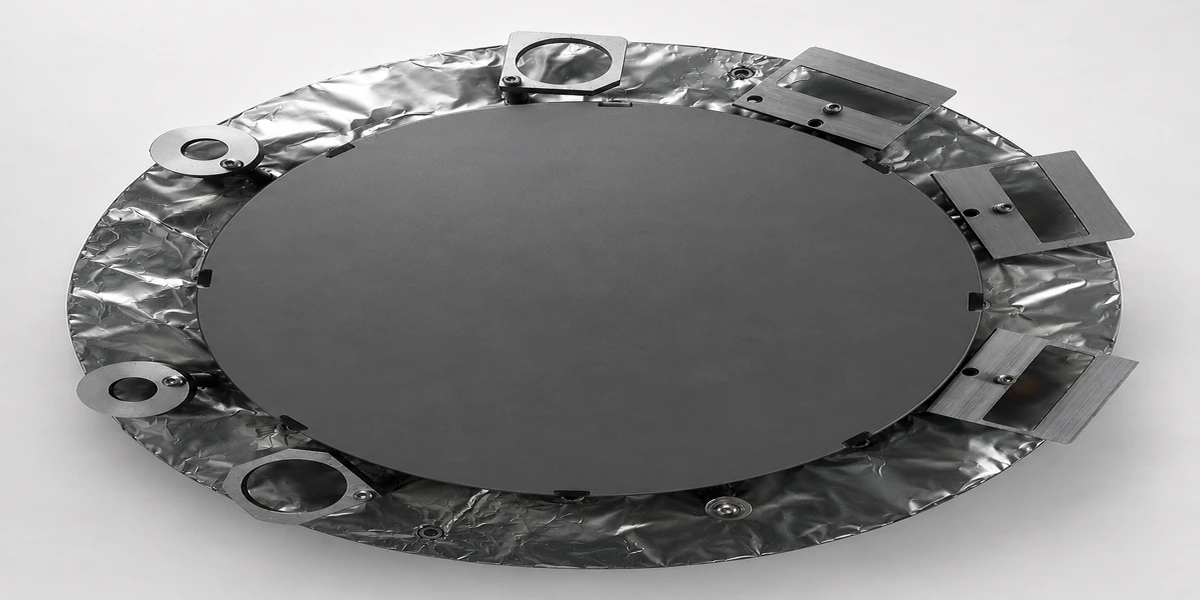
Silicon Cladding for Lightweight Mirrors
Lightweight mirror substrates are notoriously hard to polish to an optical finish. ZeCoat's low-stress silicon cladding, applied by pulsed ion-assisted evaporation, adds a dense, polishable surface without distorting the mirror's figure — giving next-generation telescopes both low mass and optical-quality optics.
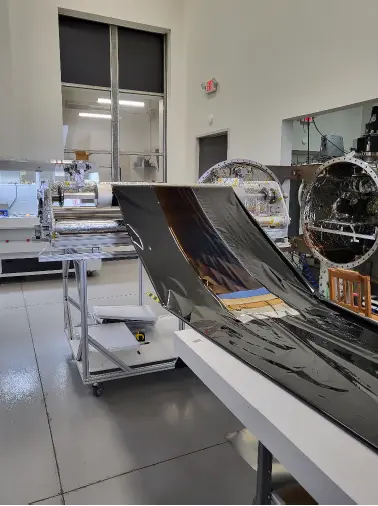
Starshades & Stray-Light Suppression
ZeCoat develops antireflection and black coatings that suppress stray light, scattering, and solar glint from starshade membranes and optical edges. Applied by processes including roll-to-roll coating of large flexible membranes, they help future space telescopes reach the extreme contrast needed for direct exoplanet imaging.
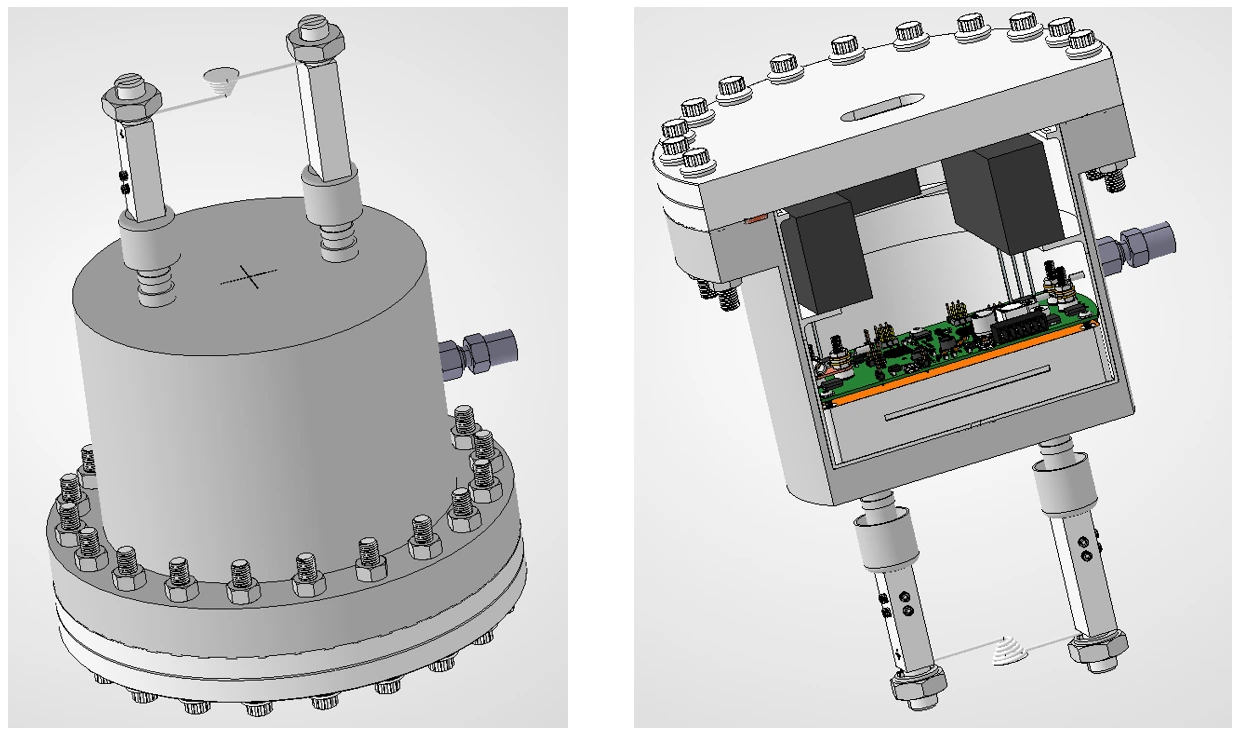
FUV & Broadband Mirror Coatings
ZeCoat develops protected-aluminum coatings that maximize far-ultraviolet reflectance, letting next-generation telescopes and instruments capture faint UV signals with exceptional efficiency. Precise deposition control — and large-area, multi-source methods — extends these coatings toward the largest future mirrors.
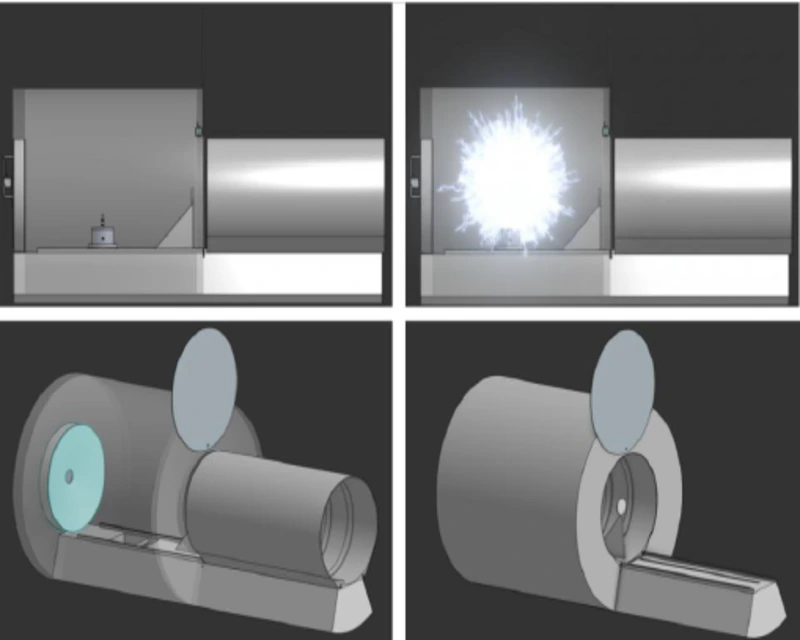
Self-Coating Telescope
An aluminum mirror oxidizes the moment it meets air, which cuts off far-ultraviolet reflectance. ZeCoat's self-coating telescope carries a compact, battery-powered deposition system that lays down a fresh, bare aluminum surface in orbit — reaching deeper into the ultraviolet and letting a mission refresh its own mirror.
Micrometeroid Protection
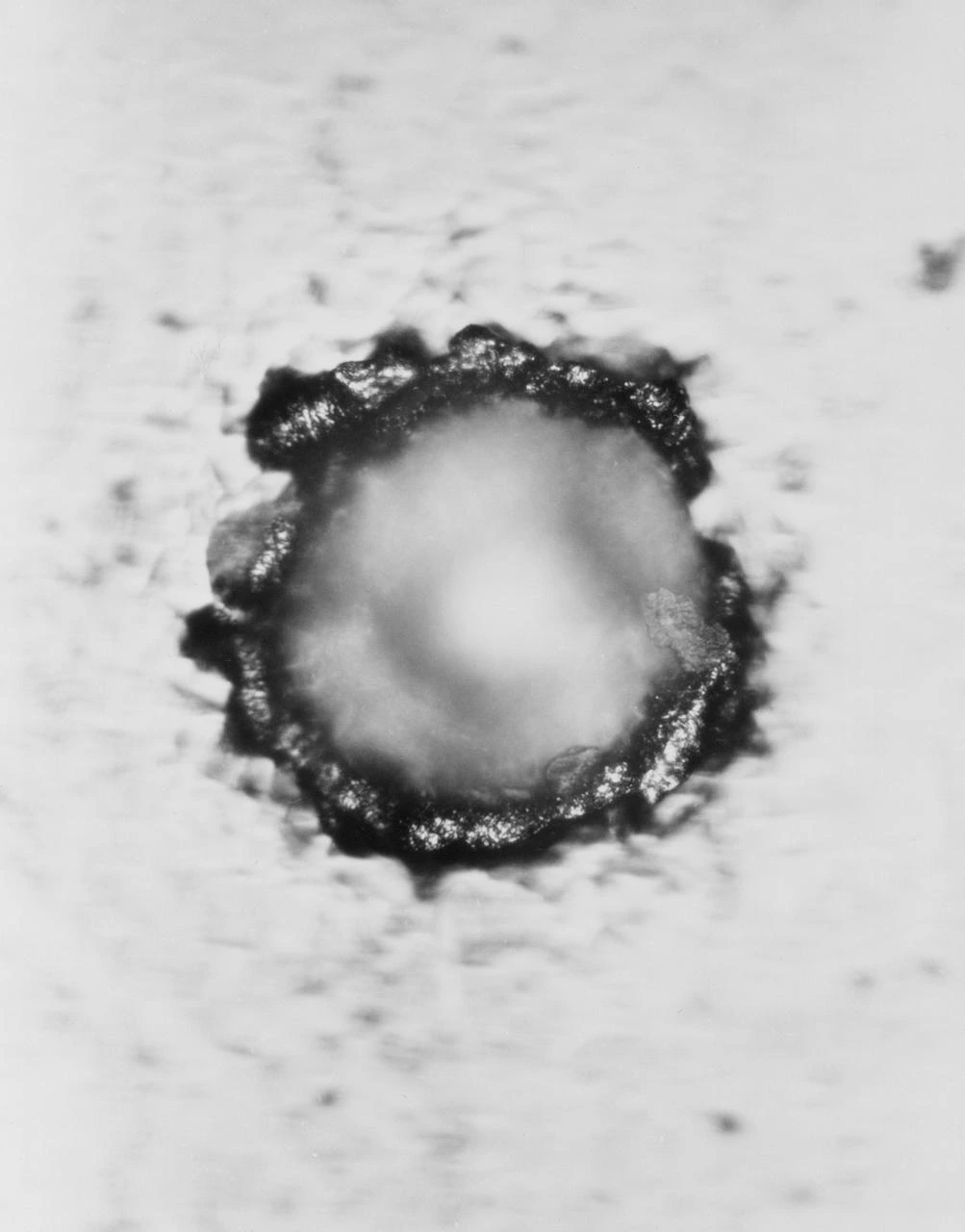
Over years in orbit, micrometeoroids slowly pit and roughen a telescope mirror, raising scattered light. ZeCoat draws on its durable protective overcoats and in-space coating capability to help optical surfaces resist this erosion — and, where damage accumulates, to restore them by re-coating on orbit.